Introduction: The Ancient Practice of Japmala in a Modern World
In a world saturated with constant notifications, digital overstimulation, and the relentless pace of modern life, many people are actively searching for tools to calm their nervous system and return to a sense of inner stillness. One such tool that is ancient, elegant, and increasingly validated by contemporary neuroscience is the japmala, also known as a japa mala or mala beads.
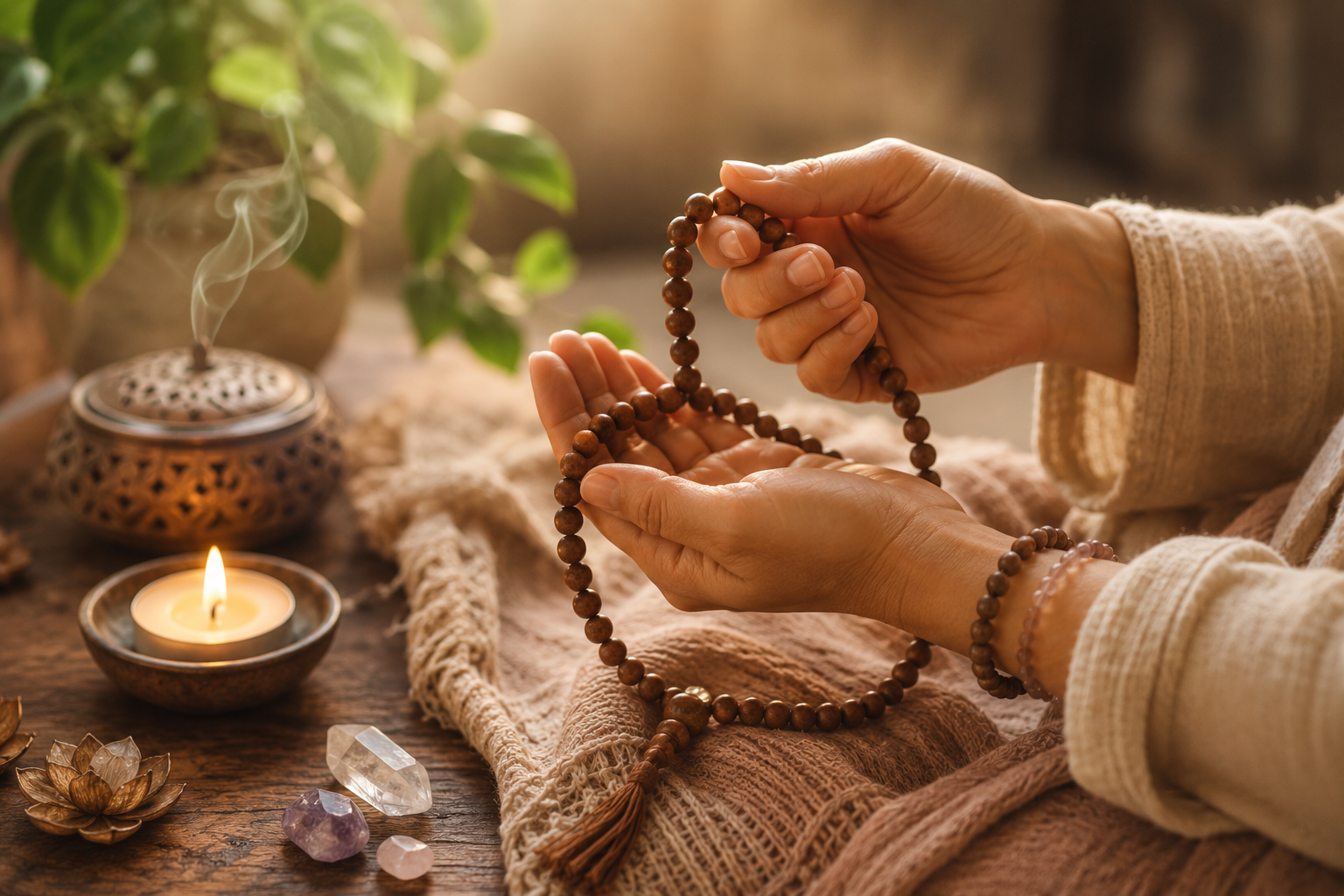
A japmala is a string of 108 beads traditionally used in Hindu, Buddhist, and Yogic spiritual traditions for mantra repetition and meditation. While its spiritual roots run deep, the practice of repeating a japmala may offer compelling physiological and psychological benefits that are increasingly recognized by researchers and therapists working in the fields of somatic healing, mindfulness, and nervous system regulation.
This article explores why the rhythmic, repetitive act of moving through a japmala might be one of the most effective tools available for calming your nervous system, reducing anxiety, and cultivating a state of deep inner peace.
Understanding the Nervous System and the Stress Response
To understand why japmala practice may calm the nervous system, it helps to understand how the nervous system responds to stress in the first place. The autonomic nervous system (ANS) governs involuntary functions including heart rate, digestion, and breathing. It operates through two primary branches: the sympathetic nervous system (often called “fight or flight”) and the parasympathetic nervous system (often called “rest and digest”).
In states of chronic stress, anxiety, or trauma, the sympathetic nervous system can become overactivated, flooding the body with cortisol and adrenaline, tightening muscles, shallowing the breath, and keeping the mind in a hypervigilant state. Over time, this chronic activation may contribute to a wide range of health challenges including insomnia, digestive issues, immune suppression, and emotional dysregulation.
The parasympathetic nervous system, when activated, may counteract this stress response slowing the heart rate, deepening the breath, relaxing muscle tension, and signaling to the brain that it is safe to rest. Practices that reliably activate the parasympathetic nervous system including slow breathing, gentle movement, touch, and repetitive sensory stimulation are increasingly being recognized as powerful tools for nervous system regulation.
How Japmala Practice May Activate the Parasympathetic Nervous System
The act of repeating a japmala combines several elements that may work together to activate the parasympathetic nervous system and promote a state of calm alertness.
First, the rhythmic movement of the fingers across each bead provides consistent tactile stimulation. This repetitive touch may activate sensory receptors in the fingertips that send calming signals through the peripheral nervous system to the brain, potentially reducing the activation of the amygdala the brain’s fear and threat-detection center.
Second, the repetition of a mantra whether spoken aloud, whispered, or silently repeated may engage the vagus nerve, the primary nerve of the parasympathetic nervous system. Humming, chanting, and rhythmic vocalization have been shown in several studies to stimulate vagal tone, which may help regulate heart rate variability and promote a sense of emotional safety and calm.
Third, the act of counting and maintaining focus on each bead may occupy the prefrontal cortex, the rational thinking brain in a gentle, non-demanding way, potentially reducing the rumination, worry, and intrusive thoughts that often fuel anxiety and stress. This combination of sensory grounding, rhythmic repetition, and focused attention may make japmala practice a uniquely effective tool for nervous system regulation.
The Science of Rhythmic Repetition and Brainwave States
Beyond its effects on the autonomic nervous system, the rhythmic repetition involved in japmala practice may also influence brainwave activity in ways that support deep relaxation and meditative awareness.
Neuroscientific research suggests that repetitive, rhythmic stimuli including drumming, chanting, rocking, and repetitive movement may help shift the brain from high-frequency beta waves (associated with active thinking, stress, and anxiety) to slower alpha or theta wave states (associated with relaxed alertness, creativity, and deep calm). This shift in brainwave frequency may contribute to the sense of peace and spaciousness that many japmala practitioners report experiencing during and after their practice.
Additionally, the practice of repeating 108 beads which can take anywhere from 10 to 30 minutes depending on the pace may provide sufficient duration for the nervous system to fully shift out of a stress response and into a state of genuine parasympathetic activation. This is particularly significant for those dealing with chronic stress or anxiety, where brief relaxation techniques may not be sufficient to produce lasting change.
Choosing the Right Japmala for Your Practice
The material from which a japmala is crafted may also play a role in the overall experience and potential benefits of the practice. Traditional japmalas may be made from rudraksha seeds, sandalwood, rose quartz, amethyst, lapis lazuli, or other natural materials, each associated in traditional practice with different energetic qualities and intentions.
From a more pragmatic standpoint, the texture, weight, and size of the beads may influence the tactile experience of the practice. Some practitioners may find that heavier stone beads provide a more grounding, present-moment sensation, while lighter wooden or seed beads may feel more spacious and flowing. Experimenting with different materials may help you discover what supports your own nervous system regulation most effectively.
Regardless of material, the most important qualities in a japmala are consistency of bead size (which supports rhythmic flow), durability of the string, and the sense of personal resonance or meaning you bring to the practice.
Integrating Japmala Practice Into Your Daily Life
One of the most compelling aspects of japmala practice as a nervous system regulation tool is its accessibility. Unlike some therapeutic modalities that require specialized equipment or professional guidance, a japmala can be used virtually anywhere during a morning meditation, on a commute, before a challenging conversation, or as part of an evening wind-down ritual.
Many practitioners find that establishing a consistent time and space for japmala practice even just 10 to 15 minutes daily, may produce cumulative benefits over time, gradually training the nervous system to access states of calm and parasympathetic activation more readily and reliably.
Discover the conscious collective japmalas, designed to support your nervous system regulation practice with intentional materials and mindful craftsmanship. Find your perfect mala today.